Pest Control in North York: Local Service Guide for Homeowners
Why Pest Control Matters in North York
For homeowners and building managers in North York, ON, pest control is not just about reacting to a pest infestation after it starts. It is part of practical home protection in a crowded part of Toronto and the Greater Toronto Area, where condo-filled neighbourhoods, transit corridors, shared walls, and busy garbage storage areas can all increase pest pressure.
North York includes a broad mix of condo complexes, townhouses, and detached homes with lower levels or attics, and each property type produces different conditions for everyday household pests. In multi tenant buildings, pests can travel between units through utility lines, wall voids, and entry points. In detached homes, problems often begin in basements, attics, https://sites.google.com/view/pest-control-in-north-york/ garages, or around the foundation. A local service approach matters because seasonal pest activity in the Toronto area varies throughout the year, and a long-term solution usually depends on proactive measures, cleanliness, and regular inspection rather than a one-time fix.
Urban density further affects how rapidly a small issue becomes a more serious one. When food sources, moisture, and shelter are easy to find, insects and rodents can multiply quickly. That is why many residents look for a certified exterminator who can provide a personalized plan based on the property, the level of infestation, and the surrounding neighbourhood conditions.
Most Common Pests in North York Homes and Businesses
North York residents contend with a familiar group of pests, particularly in older buildings, shared residential spaces, and commercial properties. The most common calls often involve ants, cockroaches, bed bugs, mice, and rats, but wasps and spiders are also common concerns during certain seasons.
Ants often turn up in kitchens, near windows, and around moisture sources. In condo buildings and townhomes, they may spread between suites or enter through small cracks around pipes and baseboards. Ant control typically requires more than spraying visible trails; it often needs insect treatment focused on nests and entry points.
Cockroaches are highly troublesome in apartment buildings, restaurants, and any property with shared plumbing or sanitation issues. They thrive where food debris, grease, and humidity are present. Because they hide during the day, a visible sighting can signal a much larger pest infestation.
Bed bugs are a common issue in dense urban areas like North York, ON, especially in condo buildings and rental housing. They spread easily through luggage, furniture, and wall-to-wall proximity between units. A professional inspection is essential because bed bugs are difficult to eliminate without a thorough extermination strategy and follow-up visit.
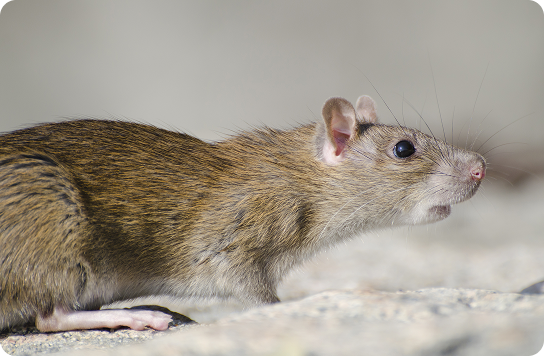
Mice and rats are year-round concerns, with rodent control becoming especially important in colder months when animals move indoors for warmth and shelter. Detached homes with basements and attics can provide easy nesting spots, while commercial properties may attract rodents through loading areas and waste storage. Rat activity is often more visible around garbage enclosures, laneways, and exterior entry points.
Wasps are usually more active in late summer, especially around eaves, decks, and outdoor dining areas. Meanwhile, spiders often show up in basements, garages, and less-used storage spaces. While spiders are not always a sign of a severe problem, repeated sightings can indicate other insects are present, which makes property inspection worthwhile.

Warning Signs That You Need Skilled Pest Control
Many pest issues are simple to miss until the problem becomes more difficult to control. If you notice feces, property damage, smells, or frequent pest sightings, it is usually time to schedule a professional inspection.
Droppings are one of the most obvious warning signs. Mouse and rat droppings may be found in cupboards, behind appliances, in basements, or near food storage areas. Cockroach droppings are smaller and may appear in drawers, along walls, or near sinks. Any droppings should be treated as signs of active pest movement, not just a former issue.
Property damage can also show hidden activity. Rodents may chew insulation, wiring, and stored items in attics or basements. Ants can damage wood in some situations, and wasps may build nests in vents or exterior structures. If you see gnaw marks, torn packaging, or damaged baseboards, pest control in North York should be considered quickly.
Odours are another clue. A musty or greasy smell can point to cockroaches, while a strong ammonia-like smell may suggest rodents. In enclosed spaces such as condos, basements, or utility rooms, these odours can spread fast and affect comfort in nearby areas.
Pest sightings often mean the issue is already underway. Seeing one mouse, several ants, or a bed bug during the day can suggest a larger nest or infestation. Early action from a reliable provider helps reduce the chance of deeper structural damage and avoids repeated treatments later.
Residential Pest Control Services
Residential pest control in North York is usually built around a defined approach: home inspection, treatment plans, exclusion sealing, and preventive maintenance. The goal is not just extermination, but reliable home protection that fits the way people actually live in condos, townhomes, and detached homes.

A proper home inspection starts with identifying where pests are entering, nesting, and feeding. In detached homes, that may include basements, attics, garages, utility rooms, and exterior foundation lines. In condo buildings, the inspection may focus on kitchens, bathrooms, storage rooms, and shared walls. A thorough property inspection helps the technician create a tailored plan that matches the level of activity and the structure of the home.
Treatment plans vary depending on the pest species and the type of property. Ants may require focused baiting and barrier strategies. Rodent control can involve traps, monitoring, and entry point sealing. Bed bugs often require a step-by-step insect treatment approach with follow-up visit scheduling. A good plan balances safe application with effectiveness and long-term results.
Exclusion sealing is one of the most important steps for preventing repeat infestations. Sealing cracks, gaps around pipes, and openings near vents or utility lines helps block pests from getting inside. In North York, where older homes and mixed-use buildings often have aging infrastructure, entry point sealing can make a major difference.
Preventive maintenance is what keeps a small problem from coming back. That may include seasonal inspections, monitoring for new activity, sanitation guidance, and minor repairs. Many property owners prefer preventive maintenance because it supports a sustainable solution rather than a cycle of repeated emergency visits.
Industrial Pest Control for North York Businesses
Commercial pest control is vital for North York businesses that depend on cleanliness, customer trust, and regulatory compliance. Restaurants, retail stores, offices, and other commercial properties experience different pressures than homes, especially when they are located in dense mixed-use areas or near waste storage, delivery lanes, and transit routes.
Restaurants require fast response and discreet service because a pest issue can affect food safety, staff confidence, and reputation. Cockroaches, mice, and flies are common concerns in kitchens, prep areas, storage rooms, and waste handling spaces. Regular sanitation, monitoring, and an integrated pest management plan are especially important in these environments.
Retail stores may face problems from rodents, ants, spiders, or bed bugs brought in through shipments, customer traffic, or neighbouring units. For these businesses, routine inspection and preventive maintenance help reduce the risk of visible infestations that could disrupt operations.
Property management teams in North York often need a coordinated response across multiple units, especially in condo buildings and apartment-heavy neighbourhoods. Shared walls, laundry rooms, garbage storage areas, and underground parking can all become travel routes for pests. A trusted provider will work with property managers, tenants, and maintenance staff to address the issue across the whole building, not just one suite.
Effective commercial pest control also depends on sanitation protocols. Cleaning schedules, waste handling, storage practices, and staff training all help reduce pest activity. In many cases, the best results come from combining sanitation, monitoring, exclusion, and treatment rather than relying on extermination alone.
Green and Household-Safe Service Options
A lot of North York households look for pest control that is both effective and compatible with daily life. That is where IPM becomes especially useful. This approach emphasizes identifying the origin of the problem, limiting attractants, blocking entry points, and using targeted treatments only when needed.
This approach is often the top option for families who want an green and family-safe approach. Instead of broad spraying, it brings together inspection, prevention, sanitation, and selective treatment to tackle the infestation at the core. It is also useful in condo buildings and commercial properties where broad applications may not be practical.
Low-toxicity products can be part of a smart strategy when applied by a licensed exterminator. The key is careful use and using the right product in the right location. This can minimize unnecessary exposure while still controlling ants, cockroaches, rodents, and other pests.
Pet safety and child-safe methods are important concerns for many homeowners. A professional should explain where products will be used, how long areas need to remain undisturbed, and what precautions to follow before and after treatment. In homes with young children or pets, timing and placement matter as much as the product itself.
For many families, the best outcome is a balanced plan: successful treatment when required, followed by prevention steps that reduce future risk. That combination is usually more reliable than a one-time treatment and supports a healthier living environment over time.
What to Look For During a Pest Control Visit
A pest control visit in North York should be easy to follow, professional, and focused on results. Whether the issue is mice, bed bugs, cockroaches, or ants, the process usually begins with a detailed inspection process and ends with a clear plan for additional service if needed.
The inspection process starts with asking where the activity has been seen, how long it has been happening, and what signs have been noticed. The technician may inspect basements, attics, kitchens, bathrooms, utility spaces, storage rooms, and exterior areas. In condo buildings, they may also look for shared-wall access points or signs of activity in neighbouring units.
After the inspection, the technician will describe the likely cause of the issue and recommend the right treatment method. This could include bait stations, traps, dusts, sprays, monitoring devices, or exclusion sealing. The best companies will explain why a certain method is being used and how it fits the overall custom plan.
Follow-up service is often needed for bed bugs, rodents, cockroaches, and recurring seasonal infestations. A follow-up visit helps make sure that the pest activity is dropping and allows the technician to refine the approach if needed. For many homeowners, this is where real peace of mind comes from, because pest control is rarely a one-step process.
Ask about service guarantees before work begins. A strong guarantee does not replace good prevention, but it does show that the company stands behind its service. In a city like Toronto, where pest pressure can change quickly from one season to the next, knowing what support is included can be very helpful.
Prevention Tips for North York Property Owners
Preventive action is one of the most practical ways to lower pest issues in North York, especially for homes and businesses exposed to urban density, shared waste areas, or older building materials. A few simple habits can help restrict entry and lower the chance of another infestation.
Food storage is a major factor. Keep pantry goods stored securely in hard containers, avoid leaving pet food out overnight, and remove spills quickly. Kitchens in condos and townhomes are especially vulnerable because food odours can travel through small openings and attract ants or cockroaches.
Sealing entry points is one of the most effective prevention measures. Check around windows, doors, vents, pipes, and utility penetrations. Entry point sealing helps block mice, rats, ants, and even some insects from entering. In detached homes with basements or attics, these gaps are often easy to overlook.
Garbage management matters in both residential and commercial properties. Use tight-fitting bins, remove waste regularly, and keep garbage areas clean. Apartment buildings and mixed-use neighbourhoods can see more pest movement when waste is accessible or overflow areas are not managed properly.
Humidity control also plays a role. Damp basements, poor ventilation, and excess moisture can attract cockroaches and support other pest activity. Using dehumidifiers, fixing leaks, and improving airflow can make spaces less attractive to pests and reduce long-term risk.
Other good habits include clearing clutter in storage areas, inspecting packages before bringing them inside, and scheduling periodic property inspection when you notice seasonal changes. These steps are especially useful in a city environment where pests can move easily between properties.
Choosing a Pest Control Company in North York
Choosing the right pest control company in North York means looking beyond a quick promise of extermination. You want a trusted provider that understands local conditions, offers clear communication, and uses practical methods suited to Toronto homes and businesses.
Start with licensed technicians. A licensed exterminator should be familiar with pest behaviour, safety standards, and the variations between residential and commercial properties. Licensing also shows that the company meets proper training and regulatory requirements.
Area-specific expertise is important because North York has a mix of condo buildings, detached homes, basements, attics, and commercial properties. A team that knows the area is better able to understand seasonal infestations, building layouts, and common entry routes in dense neighbourhoods. That local service knowledge can improve response time and create a more effective custom plan.
Review customer reviews and reputation closely. Search for comments about communication, thorough inspection, quiet service, and whether the company managed follow-up visit needs professionally. Trustworthy pest control should be reliable, not just working well on the first day.
Finally, ask about pricing transparency. A strong company should clarify what is covered if the visit covers inspection, service, sealing entry points, or continued preventive care, and what might change the overall price. Straightforward pricing helps you evaluate choices without uncertainty and makes it simpler to choose a long-term approach that fits your property.
Frequently Asked Questions
How frequently should pest control be done in North York?
Service frequency is based on the kind of property, history of pests, and risk level. Many North York homes can use regular seasonal checks and preventive upkeep, while condo buildings and commercial properties may need ongoing monitoring. If you have recurring ants, rodents, or cockroaches, a more frequent service plan may be suitable.
Are pest control treatments safe for children and pets?
They are often when applied correctly by a licensed exterminator using approved application methods. Check on child-safe and pet-friendly products, where they will be placed, and what precautions are needed before re-entering treated areas. Integrated control methods and low-toxicity products are often chosen to support family-safe practices and animal safety.
What pests are the most frequent in North York homes?
The most frequent pests include ants, cockroaches, bed bugs, mice, rats, wasps, and spiders. The exact combination can change by property type, neighbourhood, and season. Condos, detached homes, basements, and attics each create different conditions for pest activity.
How much does pest control cost in North York?
Cost factors usually include the type of pest, the size of the property, the severity of the pest infestation, the number of treatment visits, and whether exclusion sealing or follow-up service is needed. Commercial properties and larger homes may be more expensive because they often require more inspection time and a more detailed custom plan.
Do I need emergency pest control for mice, rats, or bed bugs?
Emergency pest control can be a good option if the activity is severe, spreading quickly, or affecting health, sleep, or business operations. Mice and rats can cause fast damage, and bed bugs can spread rapidly in condos and shared housing. If you see repeated pest sightings, droppings, or signs of active nesting, fast response is important.